FROM THE SOCCER FIELD TO THE LAW: Legal challenges in the construction of stadiums
Roberto Tellez
COMAD, S.C.
One of the most important issues that will be discussed soon in Mexico is the 2026 World Cup, in which Mexico is one of the three co-host countries (Mexico, United States and Canada).
As we all know, the World Cup is one of the most awaited and followed events in the world, which generates a social and economic impact worldwide, but especially in the host countries.
Although some might consider it too hasty to start talking about it, the magnitude of this event requires extensive preparation and organization, especially in one of the most fundamental and important aspects for its celebration, which is the construction and remodeling of stadiums.
Stadiums are essential elements for the celebration of a World Cup. These large structures will house thousands of fans during the matches and will become the meeting point for the entire event.
However, the importance of a stadium goes beyond simply being the place where sporting events take place, since nowadays the construction of a stadium is a work of infrastructure that generates an important economic benefit for the host country, since the investment for the construction and remodeling of a stadium generates jobs in the construction industry, as well as requires materials and services, which generates an important economic movement.
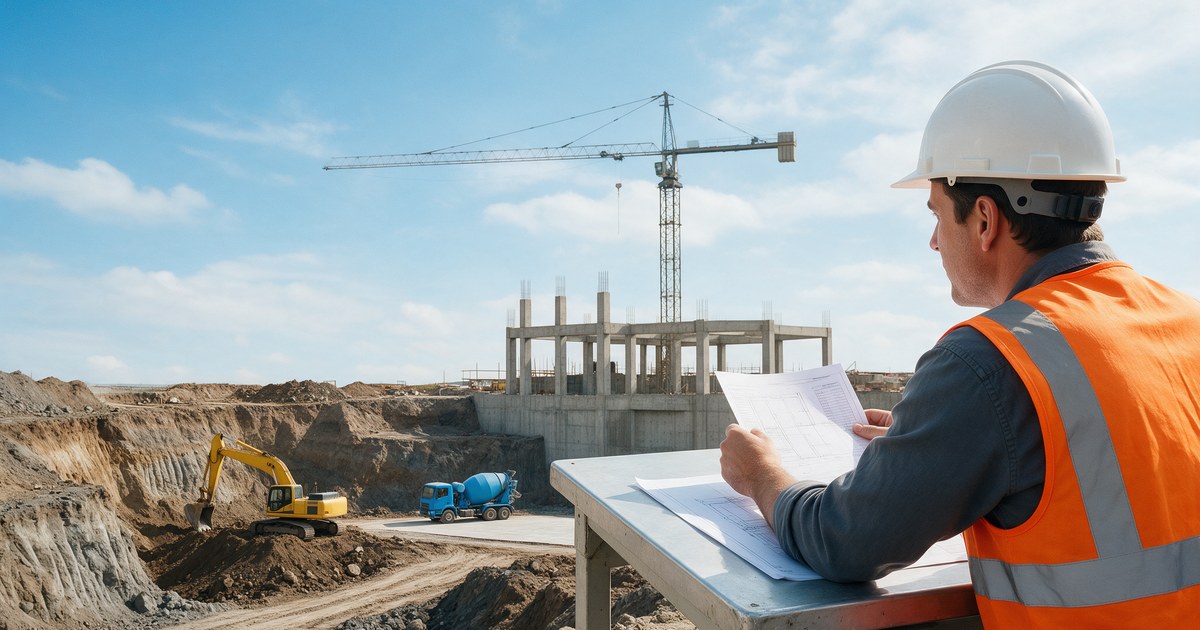
The construction of stadiums is an extremely complex task full of legal challenges. From land acquisition and obtaining construction permits to labor contracts and construction financing, to name a few, stadiums must comply with national and international regulations on construction, materials, design, structural safety and environmental protection, which is of vital importance nowadays. One of the most important aspects to take into account is the timely delivery of the work, because in construction projects, it is common for the initial terms and conditions of the contract to change as the work progresses, which often results in conflicts due to new costs and delays in delivery.
However, when it comes to the delivery of a soccer stadium for a World Cup, punctuality is a key factor. This type of work cannot afford delays, since the celebration of a World Cup is a sporting event scheduled for a specific date and time and any delay in the construction of a work of this importance could cause considerable economic losses and damage the reputation of the host country. This considering that for the first time in history, a country is selected for the third time to host a World Cup, as Mexico is.
As can be seen, the construction or remodeling of a soccer stadium for a World Cup is a complicated task that requires a great deal of preparation and planning for its correct execution and, therefore, that the work is delivered in time and form, which allows the greatest economic benefit and advantages to be obtained for the host country.
Having a good preparation allows minimizing the risks of delays and optimizing the use of resources, avoiding additional expenses. For this reason, it is essential to have specialized construction consultants with sufficient knowledge and experience in the execution of infrastructure contracts of this nature.
Mexico is making history by being the first country to be chosen three times to host a World Cup, which is a major challenge, but undoubtedly also a unique opportunity, so it is of utmost importance to prepare well to carry out this great event in the best possible way.